


Afterschool Programs: Are they worth it?
11 minutes ago
6 min read
For many parents, the school day ends long before the workday does.
School lets out around 3 p.m., but parents may still have several hours of work, commuting, errands, and other responsibilities ahead. That leaves an important question:
What should your child do between the end of school and the time you get home?
For many families, an afterschool program can provide a practical solution. But with the cost, time commitment, and long day for children, parents naturally want to know:
Are afterschool programs really worth it?
The answer depends on the program.
A good afterschool program should be more than a place for children to wait until their parents are finished with work. It should provide a safe, structured environment where students can complete homework, strengthen academic skills, develop good habits, and still have time to relax and engage with others.

What Is an Afterschool Program?
An afterschool program provides supervised activities and support for children after the regular school day ends.
Programs can vary significantly. Some focus primarily on childcare, while others include homework assistance, tutoring, academic enrichment, recreational activities, arts, STEM, or other structured learning opportunities.
For parents considering an afterschool program in Queens, Brooklyn, or elsewhere in New York City, it is important to look beyond the schedule and ask what your child will actually be doing during those hours.
A program that simply fills time is very different from one that helps a student use that time productively.
What Are the Benefits of an Afterschool Program?
1. Homework Support and Academic Reinforcement
One of the biggest benefits for many families is having a structured time and place for homework.
Instead of coming home tired and starting homework late in the evening, students can begin their assignments shortly after school while support is available.
An effective program can help students:
Complete daily homework
Review difficult concepts
Ask questions when they are confused
Practice important skills
Prepare for upcoming assignments and tests
Develop better study habits
The goal should not be to simply give students the answers. Good academic support helps children understand why an answer is correct and gradually become more independent learners.
2. A Consistent Routine After School
Children often benefit from having a predictable routine.
For example, an afternoon might include:
School → Snack/Break → Homework → Academic Support → Enrichment → Pickup
A consistent routine can make the transition from school to home easier and help students develop habits around organization, focus, and time management.
3. A Productive Alternative to Excessive Screen Time
After a long school day, it is understandable that children want to relax with a phone, tablet, video game, or television.
Some screen time is not inherently a problem. However, when most afternoons become unstructured screen time, children may miss opportunities to read, practice academic skills, interact with others, or explore new interests.
A well-designed afterschool program gives children a balance of academic support, social interaction, structured activities, and downtime.
4. Social and Communication Skills
Learning does not only happen through textbooks.
Working with classmates, participating in group activities, explaining an idea, and solving problems together can help children develop communication and collaboration skills.
Small-group activities can also give students opportunities to become more comfortable asking questions and expressing themselves.
5. A Safe and Supervised Environment
For working parents, safety and supervision are essential.
An afterschool program gives families peace of mind by providing children with a supervised place to go after school rather than leaving them at home alone or relying on an unstructured afternoon.
Of course, parents should always ask about staff qualifications, supervision, safety procedures, and how students are monitored before enrolling.

Are Afterschool Programs Worth the Cost?
This is one of the most important questions parents have.
Afterschool programs can be a significant expense, so the value should be measured by what your child actually receives.
A program may be worth considering if it provides a combination of:
Reliable afterschool supervision
Homework support
Academic reinforcement
Individual attention
Structured activities
Positive social interaction
Communication with parents
A convenient schedule and location
On the other hand, a program may not be the right fit if your child is spending most of the afternoon doing activities that do not meet your family's goals.
The question is not simply:
"How many hours does my child spend there?"
A better question is:
"What is my child gaining from those hours?"
How Do I Choose an Afterschool Program?
If you're comparing afterschool programs in Queens or Brooklyn, consider asking the following questions.
1. Who Will Be Working With My Child?
Ask about the teachers, tutors, counselors, and other staff members who interact with students.
Are they experienced? Are they trained to work with children in your child's age group?
2. What Does a Typical Afternoon Look Like?
Ask for a specific example of the daily schedule.
A strong program should be able to explain how it balances homework, academic support, activities, breaks, and other parts of the afternoon.
3. How Much Individual Attention Do Students Receive?
Class size matters.
If your child needs help with math, reading, writing, or homework, will someone actually have time to sit down and explain the material?
4. How Does the Program Communicate With Parents?
Parents should not have to guess how their child is doing.
Ask how the program communicates about academic progress, behavior, attendance, homework, and areas where additional support may be needed.
5. Is the Program Convenient for Your Family?
Location and schedule matter.
For families in Elmhurst, Corona, Rego Park, Forest Hills, and surrounding Queens neighborhoods, an accessible afterschool program can make a significant difference in the daily routine. Since Success Prep Education Center is located in the heart of Queens, it is accessible for you to reach us and for your child to learn with us conveniently.

Who Can Benefit From an Afterschool Program?
Afterschool programs can be useful for many different types of students and families.
They may be particularly helpful for:
Working parents who need dependable supervision after school.
Students who need homework support and benefit from having an adult available to explain difficult assignments.
Students who need additional academic practice in subjects such as mathematics, reading, or writing.
Children who thrive with structure and benefit from a consistent afternoon routine.
Students who enjoy learning with others and benefit from small-group activities and social interaction.
However, every child is different. The right program should match your child's age, academic needs, personality, and schedule.
What Makes a Good Afterschool Program?
A strong afterschool program should do more than keep children occupied until pickup.
Look for a program that provides a balance of:
Academic Support: Students have opportunities to complete homework and receive help when they need it.
Enrichment: Children have opportunities to explore subjects and activities beyond their regular classroom experience.
Structure: Students know what to expect and develop consistent routines.
Interaction: Children have opportunities to work with peers and develop communication skills.
Breaks and Downtime: Students are children, too. A productive afternoon should not mean nonstop academic work.
Parent Communication: Families should have a clear understanding of their child's participation and progress.
Afterschool Programs at Success Prep Education Center
At Success Prep Education Center, our afterschool program is designed to help students make productive use of their afternoons while giving parents greater peace of mind.
Our approach combines academic support, homework assistance, structured learning, and individualized attention in a supportive environment.
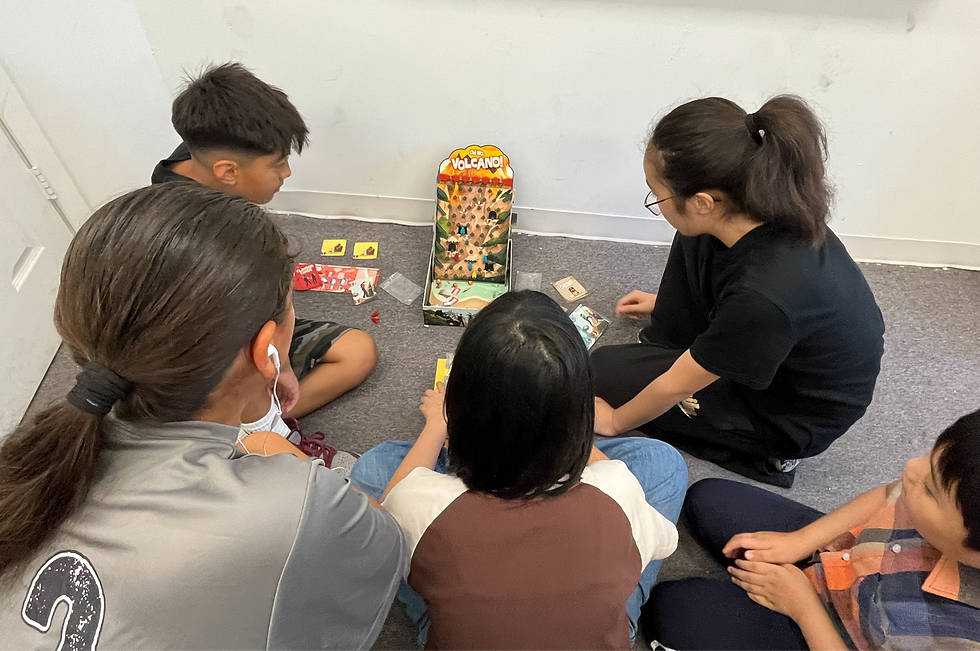
We also believe that learning should be engaging and enjoyable. Our staff provides hands-on care and age-appropriate games and activities that keep children actively involved rather than simply sitting and completing worksheets. These activities encourage curiosity, problem-solving, creativity, and other skills that support cognitive growth and development.
Rather than simply keeping students occupied until pickup, we want their afterschool hours to contribute to their overall academic development while giving them opportunities to learn, play, interact, and have fun.
Our centers serve families in Elmhurst and throughout Queens, as well as Brooklyn and nearby communities.
Whether your child needs help staying on top of homework, additional practice in a challenging subject, or a structured and engaging place to continue learning after school, our team can help you determine whether our program is a good fit.
Is an Afterschool Program Right for Your Family?
There is no single answer for every family.
For some children, going straight home after school is the best option. For others, a structured afterschool program provides the academic support, routine, supervision, and social opportunities they need.
The most important thing is to look beyond the number of hours and ask what your child is actually gaining from the experience.
A good afterschool program should not simply fill the afternoon. It should make the afternoon meaningful.
Explore Afterschool Programs at Success Prep
If you're looking for an afterschool program in Elmhurst, Queens, or Brooklyn, Success Prep Education Center is available to answer your questions and help you determine which option may be appropriate for your child.
Success Prep Education Center"Believing is Achieving!"
📍 Elmhurst Center8829 51st AvenueElmhurst, NY 11373
📞 (347) 612-4561
📍 Brooklyn Center1766 Cropsey AvenueBrooklyn, NY 11214
📞 (929) 412-2884
Visit successpreptutoring.com to learn more about our programs or contact us to discuss your child's needs.


Comments